

Brain booster healthy food to help with exams

What to eat before an exam: brain foods that actually work

🕑 5 minutes read

Share
This

When exams are underway, in the fog of study it’s easy to reach for the energy drinks, family-sized pack of Tim-Tams ‘to share with your study mates’ and the large packet of chips.

Whilst a steady supply of caffeine and comfort food is reassuring, it’s important to consider the type of food you eat because it can affect your study performance as well as your long-term health. So, what to eat before an exam to help boost your revision and exam performance?

Whole grains

Whole grain foods are low on the Glycaemic Index (GI) and help maintain steady blood sugar levels. This helps you stay focused during gruelling hours of study and aids concentration on exam day. Foods such as brown rice, wholemeal and grainy breads, wholemeal pasta and rolled oats are great sources of low GI foods. Bear in mind, porridge made from rolled oats is lower GI than ‘instant’ or ‘quick’ varieties so it’s a better source of stable release energy.

Portion size matters as much as the type of carb. A large serve of a moderate-GI food can spike your blood sugar just as much as a small serve of a high-GI one. Aim for a moderate-sized low-GI breakfast on exam day, not a huge bowl of anything.

Protein

Protein provides the amino acids your brain uses to make neurotransmitters like serotonin, dopamine, and norepinephrine. These directly affect mood, focus, and memory. Good sources include meat, fish, eggs, dairy, legumes, and tofu.

Red meat is also high in iron. Iron deficiency is a real issue for concentration and energy, particularly for young women. If you’re regularly fatigued and struggling to focus, it’s worth getting your levels checked by a GP.

Gut Health

Your gut and brain are in constant two-way communication. Around 90% of your body’s serotonin is actually produced in the gut, not the brain. The bacteria living in your digestive system influence your mood, stress response, and ability to concentrate.

You support your gut microbiome by eating:

  • Fermented foods: yoghurt, kefir, kimchi, and sauerkraut.
  • High-fibre foods: whole grains, legumes, fruit, and vegetables.
  • Prebiotic foods: onions, garlic, leeks, asparagus, and oats.

This isn’t about taking a probiotic capsule the night before your exam. It’s about eating consistently well throughout your study period so your gut and brain are both working for you on the day.

Healthy Fats

Your brain is nearly 60% fat, so the quality of fat you eat matters. The biggest update here is around omega-3 fatty acids, specifically DHA (docosahexaenoic acid), which is the dominant omega-3 in the brain.

A 2025 meta-analysis of 58 randomised controlled trials found that omega-3 supplementation produced meaningful improvements in attention and processing speed. If you rarely eat fatty fish, that’s worth changing. Salmon, sardines, trout, and mackerel two to three times a week is the practical target.

Other good fat sources: extra virgin olive oil, nuts, and avocado.

Fruit

Fruit is high in vitamin C, which keeps your immune system running. Getting sick during exams is a disaster. Oranges, kiwi fruit, and berries are your best options here. Berries also contain anti-inflammatory compounds that research is increasingly linking to brain health.

Vegetables

Vegetables are packed with micronutrients your body needs to function. Dark leafy greens like spinach and kale are also a good source of plant-based iron.

Pro tip: pair plant-based iron with vitamin C to boost absorption. A lemon juice and olive oil dressing on your spinach salad does the job.

Creatine

Creatine is well known as a sports supplement, but research over the past few years has pointed to cognitive benefits as well, particularly under conditions of stress, sleep deprivation, and mental fatigue. Which, again, sounds a lot like exam season.

The evidence is promising but not yet definitive. Benefits seem strongest for people who eat little or no meat (vegetarians have lower baseline brain creatine levels) and for people who are sleep-deprived. It is safe and well-studied at standard doses.

This isn’t a recommendation to start supplementing immediately. But if you eat a plant-heavy diet and are heading into a heavy study block, it may be worth a conversation with your GP or dietitian.

Water

Even mild dehydration impairs concentration and working memory before you feel thirsty. Water is better than energy drinks. Too much caffeine will disrupt your sleep, and sleep is when your brain consolidates what you’ve studied. Don’t sacrifice it.

How Much Should You Be Eating?

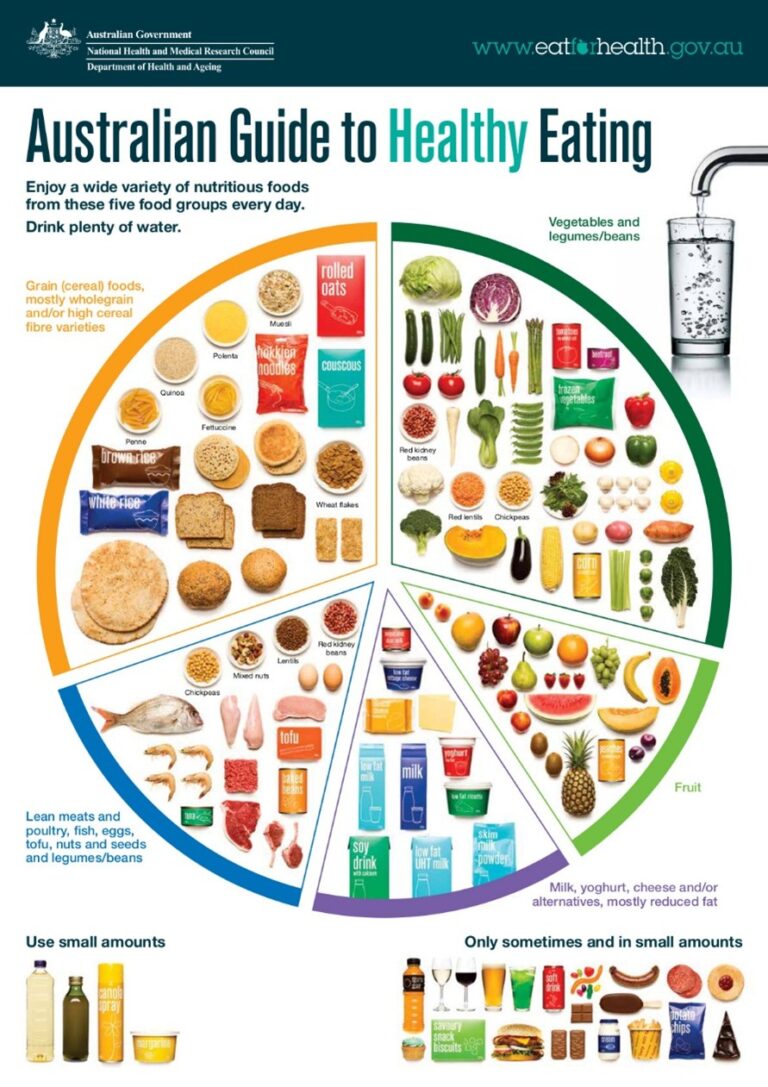
The Australian Guide to Healthy Eating recommends the following daily for adults aged 19 to 50:

Australian guide to eating healthy what to eat before an exam

On Exam Day

Don’t go in on an empty stomach. A meal combining low-GI carbs, protein, and some healthy fat gives you steady energy across the exam. Bring snacks like nuts, seeds, or fruit to refuel just before you walk in.

One final point: what you eat the week before matters more than what you eat the morning of. Consistent eating over the study period is the actual strategy.

*The information in this article is general in nature and is not intended as individual dietary advice. DPM recommends consulting a qualified health professional for advice specific to your circumstances.

Share This

Email
Facebook
LinkedIn

Subscribe to our newsletter

Gain thorough knowledge and valuable advice on financial services tailored specifically to medical professionals.

Bright futures. Better with the right roadmap.

Recommended for you

Scroll to Top